Planogram Compliance in Beverage Alcohol: A Data-Driven Guide for Suppliers and Distributors
Key Takeways
- Planogram compliance refers to how closely store shelves, coolers, endcaps, and promotional displays match approved planograms for beer, wine, spirits, RTDs, and other beverage alcohol categories.
- In high-velocity chains, consistent shelf compliance can help drive 5–10% category performance lift when resets are executed correctly and maintained over time.
- Many suppliers and distributors still rely on manual audits, surveys, and photo checks that sample only a portion of store networks and miss daily execution gaps.
- Computer vision and image recognition retail tools can monitor planogram compliance from shelf images captured on mobile devices, giving teams faster visual verification.
- Platforms like Andavi Solutions Planogram Compliance show how beverage alcohol companies can connect compliance scoring with trade promotion, sales execution software, and sales data.
Beverage alcohol retail moves fast. A beer set can look perfect on Monday and drift by Friday. A tequila display can be approved for a holiday program, then end up in incorrect locations because store employees needed shelf space for another promotion.
That is why planogram compliance has become a core retail execution discipline for suppliers and distributors. It is not just a merchandising task. It affects sales performance, product visibility, trade spend ROI, and the customer experience at the retail shelf.
What Is Planogram Compliance in Beverage Alcohol?
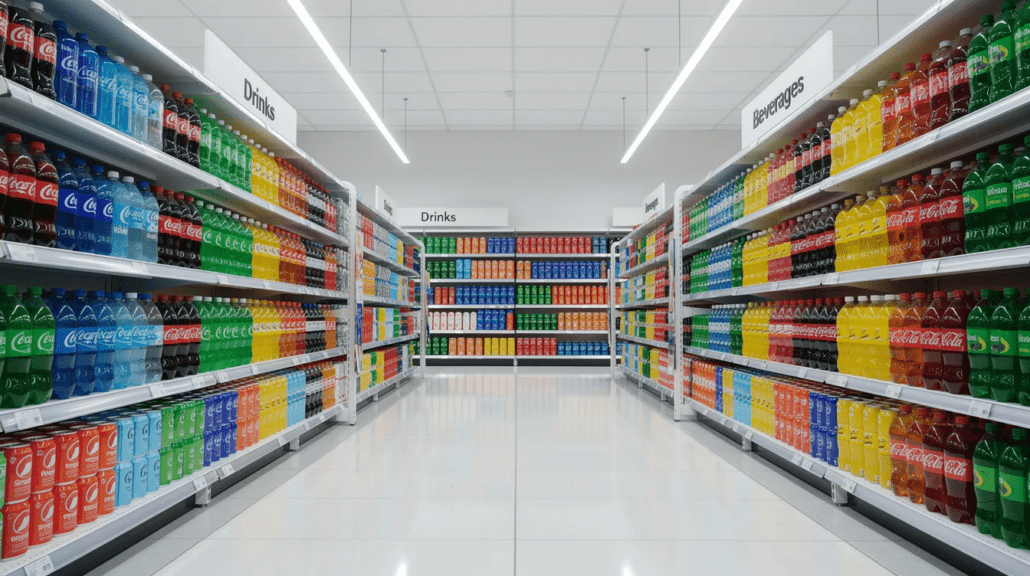
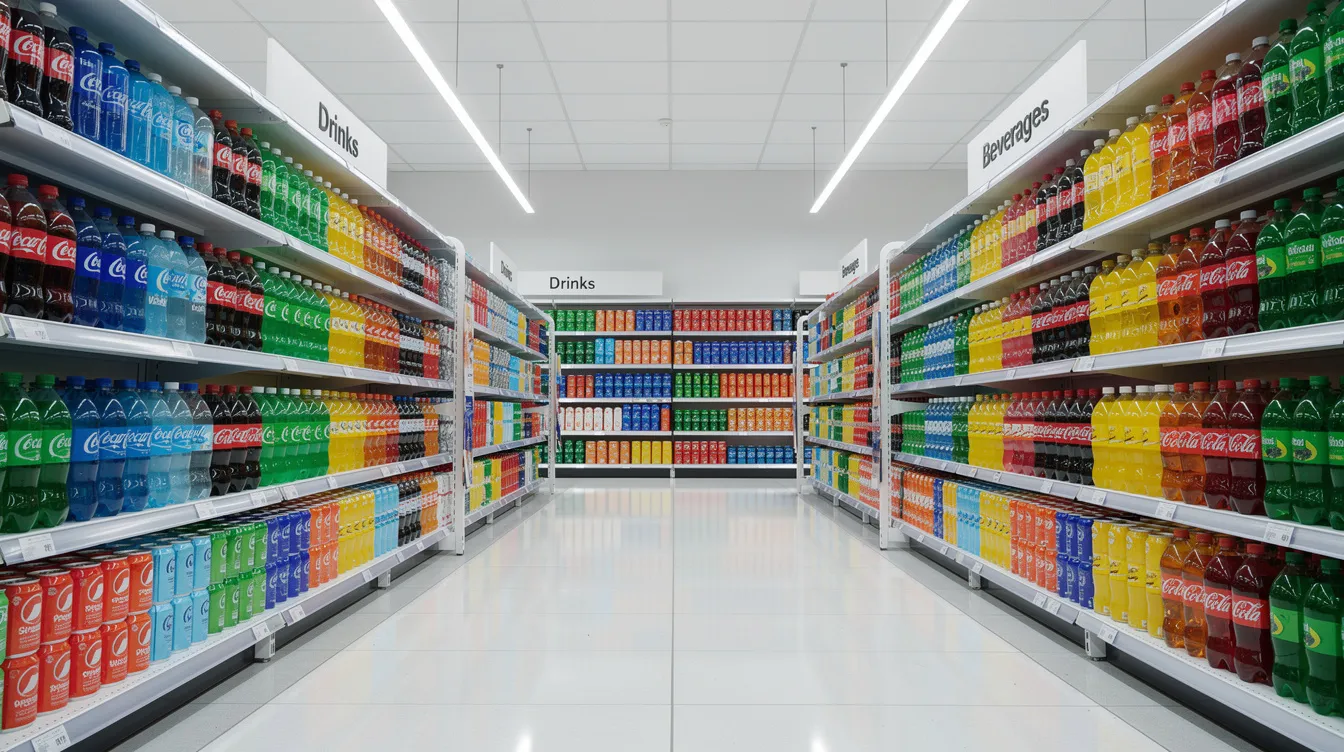
A planogram is a visual blueprint that dictates where every product should sit on a retail shelf. Compliance measures how accurately the actual retail floor matches that blueprint. In simple terms, planogram compliance refers to the degree to which the in store reality matches the intended shelf layouts, displays, facings, signage, and product placement.
In beverage alcohol, a planogram may specify how many facings each SKU receives, which shelf height a brand owns, whether imports sit next to craft, where RTDs appear in the cold box, and how price communication should be shown. It can also include promotional displays, floor stacks, endcaps, and seasonal store layout requirements.
Suppliers usually view planogram compliance through the lens of brand recognition, brand recall, share of shelf, and retail marketing strategy. Distributors focus on execution across accounts, making sure store locations follow planogram guidelines and that store teams understand what has to be built.
Related terms include shelf compliance, retail execution, visual merchandising, and sales execution software. They all point to the same practical question: does the actual retail shelf match the plan well enough to maximize sales?
Why Planogram Compliance Matters for Retail Execution
Planogram compliance matters because the shelf is where beverage alcohol demand becomes revenue. Properly executed product placements lead to better visibility and higher turnover. When key brands and packs are placed where shoppers expect them, sales teams get a cleaner read on what is working.
Strategic planogram placement highlights best-selling or promotional items, with eye-level positioning drawing attention and encouraging impulse purchases, directly driving higher sales. Planograms are designed to highlight high-demand products and strategic items, making them more visible and accessible to consumers, which drives sales and encourages impulse purchases.
For example, a compliant cold box might give the right space to 12-pack domestics, premium imports, top-selling IPAs, RTDs, and high-margin single-serve packs. When the plan is followed, product visibility improves and shoppers can find preferred products faster. This creates a more consistent shopping experience and supports customer satisfaction.
On shelf availability is especially important before weekends and major events such as Memorial Day, Labor Day, and the Super Bowl. A missing display or an empty fast-moving SKU can create thousands of dollars in lost sales over a few days, especially in high-volume grocery, convenience, club, and liquor retail locations.
Compliance also improves the quality of business decisions. Compliance ensures that performance metrics correspond directly to the intended design rather than accidental misplacements. If sales drop after a reset, leaders can tell whether the issue is price, assortment, promotion, or poor retail execution.
Industry research suggests that a full reset with strong execution can lift sales by up to about 7.8%, according to One Door’s discussion of planogram maintenance and compliance. For beverage alcohol, where promotional windows are short and margins can be meaningful, better shelf availability can quickly affect category performance.
Common Planogram Compliance Challenges for Beverage Alcohol Brands
Even with detailed schematics, compliance often drops within days of a reset. Retailers struggle to maintain every detail when high-velocity categories, limited labor, and frequent promotions collide.
Here are the most common issues suppliers and distributors face:
- Seasonal resets and new item launches create pressure across hundreds or thousands of retail stores.
- Out-of-stocks lead store associates to make quick substitutions that break the set.
- Multiple distributors may negotiate for the same shelf space, especially where beer, wine, and spirits are managed separately.
- Category leaders have limited visibility across locations and often receive delayed, partial reports.
- Emails, PDFs, and paper schematics create version-control problems around approved planograms.
- Store managers may prioritize immediate replenishment over long-term planogram requirements.
Planogram deviations create broader inconsistencies across the store network, including incorrect shelf labeling and mismatched pricing, which can negatively impact revenue. A misplaced RTD variety pack might not seem like a major problem in one store, but across locations it can distort sales data and weaken product categories that were supposed to receive prime placement.
Insufficient staff awareness and training can lead to errors in planogram execution, highlighting the need for ongoing education and visual guides to improve merchandising skills. Regularly train retail employees on merchandising guidelines to help them adhere to the plan. Regular training sessions for store staff are essential to ensure they understand the importance of planogram compliance and can execute the plan effectively.
Example: a summer beer set
A well-executed summer set might place core light beer, imports, craft variety packs, and seltzers in a clean flow from high-volume to premium discovery. A non-compliant version may bury top sellers below eye level, place new seltzers away from the cold box, and leave missing facings for fast movers. The result is lower product visibility, weaker impulse purchases, and avoidable lost sales.
The Business Impact of Poor Planogram Compliance
Poor shelf compliance directly erodes revenue and weakens trade program ROI. The issue is not only that a product is in the wrong place. It is that every deviation makes sales performance harder to explain and harder to improve.
Key impact areas include:
| Impact area | What happens when compliance breaks |
|---|---|
| Lost sales | Empty slots, missing promotions, and hero SKUs below eye level reduce conversion. |
| Trade spend leakage | Displays, facings, and signage paid for by suppliers may not appear as planned. |
| Distributor misalignment | Teams may believe execution is strong without objective shelf data. |
| Forecasting errors | Sales dips may be blamed on pricing or demand instead of execution gaps. |
| Lower shelf efficiency | The wrong amount of space is allocated to fast- or slow-moving items. |
Correct product spacing prevents overstocking and reduces out-of-stocks by ensuring the right amount of shelf space is allocated to fast-moving goods. Maintaining planogram compliance can increase retail profits by 8.1% by minimizing stockouts and overstock. Planogram compliance can increase retail profits by minimizing stockouts and overstock, with studies indicating an average profit increase of 8.1% when compliance is maintained.
The downside can be significant. Planogram non-compliance can lead to sales losses ranging from $1 million to $30 million per retailer in the US market. Maintaining planogram compliance can increase retail profits by 8.1% by minimizing stockouts and overstock, which enhances product visibility and availability.
Benchmarks vary by channel. Some well-managed chains may reach 70–85% compliance, while fragmented retail networks may average closer to 40%, according to Roamler’s overview of planogram compliance measurement. In large beverage alcohol sets, that gap can translate into missed displays, weak innovation launches, and lower shelf availability.
Without data driven planogram compliance monitoring, suppliers cannot systematically close these execution gaps or measure improvements by banner, region, distributor, or store level.
How Field Sales Teams Currently Track Planogram Compliance
Most field teams still use a mix of manual audits, checklists, and photos. A rep may walk into an account with a printed schematic or PDF, compare it to store shelves, count facings by eye, and enter notes into a CRM or spreadsheet.
This approach can work for small store networks, but it becomes difficult at scale. Perform consistent, scheduled in-store audits to physically verify that layouts match the plan. Regular audits are essential for maintaining planogram compliance, as they help identify discrepancies between actual shelf layouts and the intended planogram.
Survey-based compliance checks are also common. A rep might answer questions such as:
- Is the 24-pack display built?
- Does the premium tequila brand have three facings?
- Are the required shelf tags present?
- Is the RTD innovation placed in the approved cold box section?
These surveys provide direction, but they do not always provide visual proof. Some organizations ask reps to capture photos, but without object detection or automated analysis, those shelf images become unstructured data. Managers must review them manually, which does not scale across store locations.
The limitations are familiar:
- Point-in-time snapshots instead of continuous monitoring.
- Limited sample size of retail locations each week.
- Subjective compliance scoring from different reps.
- Slow reporting back to headquarters.
- Little connection between shelf data, depletion, and trade promotion outcomes.
As a result, leaders may know that execution is inconsistent, but they cannot always see where, why, or how urgently to act.
How Technology Is Transforming Planogram Compliance
Beverage alcohol suppliers and distributors are moving from manual audits to automated, real time data on shelf execution. The shift is practical: reps have less time, retail operations are more complex, and commercial leaders need faster actionable insights.
Three technologies are changing how teams monitor planogram compliance:
- Image recognition and computer vision.
- Mobile field sales tools.
- Analytics platforms that connect compliance to trade promotion, depletion, and sales execution software.
Together, these tools reduce rep burden while creating consistent shelf compliance metrics across chains, regions, and distributor partners.
Image Recognition and Computer Vision for Shelf Compliance
Computer vision technology enables continuous shelf validation by analyzing images captured from cameras or mobile devices to compare actual shelf layouts against approved planograms. In beverage alcohol, deep learning models can be trained to recognize similar SKUs, pack sizes, labels, flavors, and seasonal packaging.
The workflow is simple. A rep opens a mobile app, selects the account, and starts image capture for a cold box, beer cave, wine aisle, spirits shelf, or endcap. The system analyzes the shelf images and compares the results with the effective planogram.
Modern systems use machine learning and object detection to identify:
- SKU-level presence.
- Facing counts.
- Product placement by shelf and sequence.
- Promotional signage.
- Out-of-stock conditions.
- Items placed in incorrect locations.
- Gaps against planogram requirements.
The integration of machine learning models in planogram compliance systems allows for real-time analysis and feedback, improving the accuracy of product detection and classification on retail shelves. Automated planogram compliance systems can quickly identify discrepancies in product placement, out-of-stock items, and incorrect shelf arrangements, allowing for faster corrective actions.
This makes image recognition retail especially valuable in real world retail environments where glare, cooler doors, crowding, and fast replenishment can make manual checks difficult. Automated shelf monitoring can happen daily or during every visit, not just during quarterly resets.
Some retailers and suppliers are also exploring sensors. Adopt Internet of Things (IoT) sensors to automatically monitor, track, and report on shelf conditions. IoT sensors may eventually complement shelf images with temperature, door activity, or inventory signals, especially in high-value cold box programs.

Mobile Field Sales Tools and Sales Execution Software
Modern field sales tools guide beverage alcohol reps through store visits with account lists, tasks, surveys, compliance checks, and photo capture tied to specific planograms. Instead of switching between spreadsheets, email, and a CRM, reps can follow a structured workflow inside one app.
When planogram compliance is built into sales execution software, teams standardize what reps look for and how they report it. A rep can see the planned shelf layout, capture the retail products on display, receive a compliance score, and fix the issue before leaving the store.
This creates several benefits:
- Fewer disconnected tools for audits.
- Faster visual verification.
- Clearer task ownership for store teams and distributor reps.
- Better store level reporting.
- Stronger connection between compliance, depletion, and sales data.
Training still matters. Training staff on planogram compliance can empower them to maintain precise displays and respond quickly to necessary adjustments, ultimately enhancing overall store performance.
Real-Time Data, Dashboards, and Alerts
Real time data from image capture and automated analysis can flow into dashboards for sales, category management, revenue growth, and retail operations teams. These dashboards turn scattered store visits into usable shelf data.
Common views include:
- Compliance scores by retailer banner, region, distributor, and rep.
- Heatmaps showing chronic execution gaps.
- Trend lines before and after a major promotion.
- On shelf availability alerts for priority SKUs.
- Store networks ranked by improved performance or risk.
For example, a dashboard might alert a regional manager when a top-selling IPA falls below an on shelf availability threshold in priority accounts ahead of a holiday weekend. Another alert might show that a premium tequila display is missing signage in 30% of stores.
These insights support faster decisions between suppliers, distributors, and retailers. Instead of debating opinions, teams work from the same visual representation of shelf reality.
Benefits of Improving Planogram Compliance in Beverage Alcohol
Better shelf compliance drives both top-line growth and operational efficiency. It also gives commercial teams a stronger foundation for category planning, retail marketing, and account conversations.
Sales and revenue
Effective planogram compliance increases sell-through for core SKUs and innovation, especially in cold box and display placements. A highly organized and predictable store layout allows shoppers to easily locate products and discover new promotions.
Improving compliance can also boost profitability by reducing stockouts and overstock. Research cited by retail technology providers suggests that improving planogram compliance by 10–20 percentage points can contribute to about 1% overall store revenue lift in grocery and convenience environments, according to Scandit’s planogram and price compliance resources.
Product visibility and brand equity
Consistent brand blocking reinforces brand recognition and brand recall. When a shopper sees a familiar beer, wine, spirits, or RTD brand in the same location across stores, the shopping path feels easier and more reliable.
Better product visibility is especially useful for small-format packs, canned cocktails, NA alcohol, premium spirits, and other growth segments. Beverage alcohol assortment pressure continues to increase as RTDs, premium categories, and new formats expand, a trend highlighted in beverage alcohol retail execution research from FORM.
Operational efficiency and accountability
Automated compliance scoring reduces time spent on manual reporting. It also creates accountability across suppliers, distributors, store managers, and store associates.
Instead of asking whether a program was executed, teams can ask:
- Which stores were compliant?
- Which displays were missing?
- Which SKUs were out of stock?
- Which distributor territories need coaching?
- Which planograms need to be simplified?
That clarity improves customer experience and helps teams focus resources where they matter most.
Best Practices to Improve Planogram Compliance Across Your Network
Achieving planogram compliance involves detailed planning, execution, and continuous monitoring, which includes developing a comprehensive planogram that aligns with sales data and consumer behavior.
Here are the practices beverage alcohol leaders should prioritize.
1. Design data driven planograms
Start planogram planning with POS, depletion, and consumer behavior data. Use velocity, margin, occasion, and channel information to decide which product categories deserve premium shelf space.
Combining compliance data with sales and out-of-stock metrics helps fine-tune future planograms and optimize space allocation. If a fast-moving RTD is constantly out of stock despite strong demand, the next planogram should allocate more space. If a slow-moving SKU keeps taking prime shelf height, the design may be costing the category revenue.
2. Simplify documentation
Create straightforward, easy-to-understand planograms to increase the likelihood of implementation success. Reps and store teams should be able to understand the plan quickly without decoding a dense schematic.
Good documentation includes:
- Clear visuals.
- Channel-specific versions.
- Store-specific notes where needed.
- Current planogram guidelines.
- Simple instructions for promotional displays.
- A single source of truth for approved planograms.
The easier the plan is to execute, the more likely store employees will follow it.
3. Train and align field and store teams
Regular training sessions for store staff are essential to ensure they understand the importance of planogram compliance and can execute the plan effectively. Training should include side-by-side examples of compliant and non-compliant sets, especially for complex beer doors, spirits shelves, and seasonal displays.
Regularly train retail employees on merchandising guidelines to help them adhere to the plan. Store associates and distributor reps should know why facings, shelf height, pricing, and signage matter. This is not just a visual merchandising issue; it affects sales performance and customer experience.
A national association meeting, distributor business review, or chain planning session can also be a useful setting to align expectations across suppliers and retail operations teams.
4. Move from periodic checks to continuous monitoring
Continuous monitoring is essential for treating compliance as an ongoing process rather than a one-time setup. Annual resets and quarterly audits are not enough for fast-moving beverage alcohol categories.
Use planogram compliance monitoring to catch issues early. For example, if a store replaces a missing craft SKU with another brand, the system should flag the gap before the set drifts for weeks.
5. Close the loop from detection to action
Effective planogram compliance requires a closed-loop process:
- Detect the issue through an audit, photo, or automated shelf monitoring.
- Assign a corrective task.
- Fix the shelf or display.
- Verify completion with follow-up image capture.
- Measure improvements against key metrics.
This process turns compliance into a repeatable operating rhythm instead of a one-time project.
6. Pilot before scaling
Start with one high-priority retailer, region, or product category. A practical pilot might focus on beer doors and top spirits displays in 50–100 stores during Q2 2025.
The goal is not to automate everything immediately. The goal is to prove that better compliance checks lead to better shelf availability, stronger sales performance, and improved performance in priority accounts. Once the workflow is stable, expand to more banners, distributor partners, and product categories.

Andavi Solutions Planogram Compliance: A Modern Approach for Beverage Alcohol
Andavi Solutions Planogram Compliance is an example of how modern platforms can support suppliers and distributors in the beverage alcohol industry without adding unnecessary complexity to field work.
A platform like Andavi can bring together:
- Mobile field sales tools for guided store visits and structured image capture.
- Computer vision and deep learning to monitor planogram compliance automatically from shelf photos.
- Real time data and dashboards connected to trade promotion, depletion, and retail execution metrics.
- Compliance scoring across locations, banners, regions, and distributor teams.
- Actionable insights that help teams prioritize fixes before key selling windows.
The value is not just automation. It is alignment. Suppliers, distributors, and retailers can use the same evidence to discuss shelf compliance, on shelf availability, display quality, and program execution.
For beverage alcohol companies that already invest heavily in trade programs, cooler placements, and display commitments, this kind of platform can help connect the plan to the shelf and the shelf to sales outcomes.
FAQ: Planogram Compliance in Beverage Alcohol
How long does it typically take to roll out a planogram compliance program with image recognition?
A practical rollout usually starts with an 8–12 week pilot in a limited set of chains, regions, or store locations. During that phase, teams configure planograms, train field users, set image capture standards, and validate the first wave of reports.
A broader rollout across hundreds or thousands of stores may take 6–12 months depending on distributor structure, number of SKUs, and integration needs.
Do I need special hardware or cameras to capture shelf images?
Most beverage alcohol suppliers and distributors can start with smartphones or tablets already used by field reps. Basic deployments usually do not require dedicated cameras.
Some retailers may later add fixed cameras, robots, or IoT sensors for continuous monitoring, but mobile image capture is often the simplest first step.
How accurate is computer vision for beverage alcohol SKUs with similar packaging?
Deep learning models trained on beverage-specific datasets can distinguish similar packages, flavors, ABV variants, and seasonal limited editions when the images are clear and current.
Accuracy improves over time as more shelf images are processed and packaging updates are added to the model. Clear photo standards are still important, especially around cooler glare and crowded shelves.
How does planogram compliance data integrate with current sales and trade systems?
Most modern platforms can feed compliance data into BI tools, CRM systems, trade promotion platforms, or sales execution software through APIs or scheduled exports.
Connecting compliance scores with depletion, POS, and out-of-stock data helps teams understand whether a promotion failed because of demand, price, or poor shelf execution.
What is a realistic first step if our organization still relies on manual audits?
Start with one priority retailer or region and a small number of high-value planograms, such as beer doors, RTD cold box sets, or premium spirits displays.
Define success before the pilot begins. Useful goals include improved shelf compliance scores, fewer out-of-stocks, faster issue resolution, and measurable sales lift over a specific selling period.
Planogram compliance is not a back-office metric. It is one of the clearest ways to connect strategy, execution, and revenue in beverage alcohol. If your team is ready to move beyond manual checks, explore how a platform like Andavi can fit into your existing retail execution, trade promotion, and field sales workflows.
Planogram Compliance in Beverage Alcohol: A Data-Driven Guide for Suppliers and Distributors
Key Takeways
- Planogram compliance refers to how closely store shelves, coolers, endcaps, and promotional displays match approved planograms for beer, wine, spirits, RTDs, and other beverage alcohol categories.
- In high-velocity chains, consistent shelf compliance can help drive 5–10% category performance lift when resets are executed correctly and maintained over time.
- Many suppliers and distributors still rely on manual audits, surveys, and photo checks that sample only a portion of store networks and miss daily execution gaps.
- Computer vision and image recognition retail tools can monitor planogram compliance from shelf images captured on mobile devices, giving teams faster visual verification.
- Platforms like Andavi Solutions Planogram Compliance show how beverage alcohol companies can connect compliance scoring with trade promotion, sales execution software, and sales data.
Beverage alcohol retail moves fast. A beer set can look perfect on Monday and drift by Friday. A tequila display can be approved for a holiday program, then end up in incorrect locations because store employees needed shelf space for another promotion.
That is why planogram compliance has become a core retail execution discipline for suppliers and distributors. It is not just a merchandising task. It affects sales performance, product visibility, trade spend ROI, and the customer experience at the retail shelf.
What Is Planogram Compliance in Beverage Alcohol?
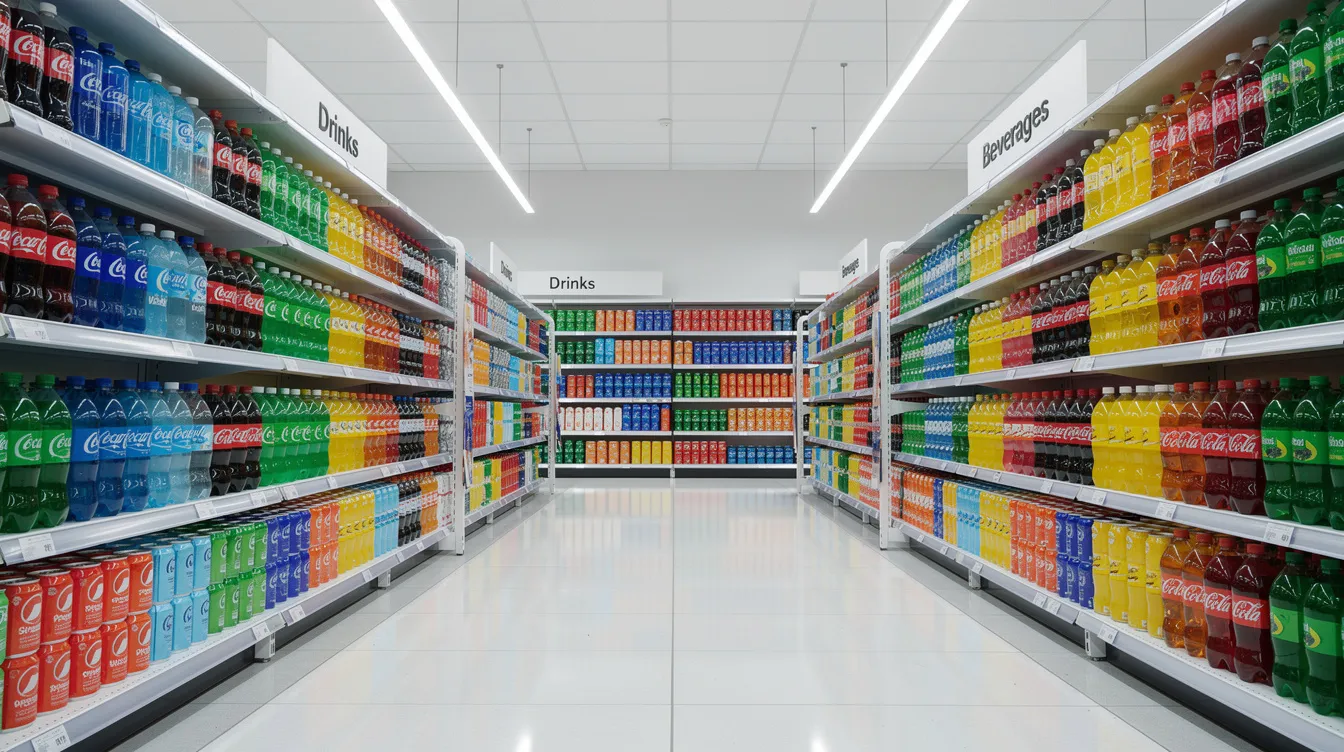
A planogram is a visual blueprint that dictates where every product should sit on a retail shelf. Compliance measures how accurately the actual retail floor matches that blueprint. In simple terms, planogram compliance refers to the degree to which the in store reality matches the intended shelf layouts, displays, facings, signage, and product placement.
In beverage alcohol, a planogram may specify how many facings each SKU receives, which shelf height a brand owns, whether imports sit next to craft, where RTDs appear in the cold box, and how price communication should be shown. It can also include promotional displays, floor stacks, endcaps, and seasonal store layout requirements.
Suppliers usually view planogram compliance through the lens of brand recognition, brand recall, share of shelf, and retail marketing strategy. Distributors focus on execution across accounts, making sure store locations follow planogram guidelines and that store teams understand what has to be built.
Related terms include shelf compliance, retail execution, visual merchandising, and sales execution software. They all point to the same practical question: does the actual retail shelf match the plan well enough to maximize sales?
Why Planogram Compliance Matters for Retail Execution
Planogram compliance matters because the shelf is where beverage alcohol demand becomes revenue. Properly executed product placements lead to better visibility and higher turnover. When key brands and packs are placed where shoppers expect them, sales teams get a cleaner read on what is working.
Strategic planogram placement highlights best-selling or promotional items, with eye-level positioning drawing attention and encouraging impulse purchases, directly driving higher sales. Planograms are designed to highlight high-demand products and strategic items, making them more visible and accessible to consumers, which drives sales and encourages impulse purchases.
For example, a compliant cold box might give the right space to 12-pack domestics, premium imports, top-selling IPAs, RTDs, and high-margin single-serve packs. When the plan is followed, product visibility improves and shoppers can find preferred products faster. This creates a more consistent shopping experience and supports customer satisfaction.
On shelf availability is especially important before weekends and major events such as Memorial Day, Labor Day, and the Super Bowl. A missing display or an empty fast-moving SKU can create thousands of dollars in lost sales over a few days, especially in high-volume grocery, convenience, club, and liquor retail locations.
Compliance also improves the quality of business decisions. Compliance ensures that performance metrics correspond directly to the intended design rather than accidental misplacements. If sales drop after a reset, leaders can tell whether the issue is price, assortment, promotion, or poor retail execution.
Industry research suggests that a full reset with strong execution can lift sales by up to about 7.8%, according to One Door’s discussion of planogram maintenance and compliance. For beverage alcohol, where promotional windows are short and margins can be meaningful, better shelf availability can quickly affect category performance.
Common Planogram Compliance Challenges for Beverage Alcohol Brands
Even with detailed schematics, compliance often drops within days of a reset. Retailers struggle to maintain every detail when high-velocity categories, limited labor, and frequent promotions collide.
Here are the most common issues suppliers and distributors face:
- Seasonal resets and new item launches create pressure across hundreds or thousands of retail stores.
- Out-of-stocks lead store associates to make quick substitutions that break the set.
- Multiple distributors may negotiate for the same shelf space, especially where beer, wine, and spirits are managed separately.
- Category leaders have limited visibility across locations and often receive delayed, partial reports.
- Emails, PDFs, and paper schematics create version-control problems around approved planograms.
- Store managers may prioritize immediate replenishment over long-term planogram requirements.
Planogram deviations create broader inconsistencies across the store network, including incorrect shelf labeling and mismatched pricing, which can negatively impact revenue. A misplaced RTD variety pack might not seem like a major problem in one store, but across locations it can distort sales data and weaken product categories that were supposed to receive prime placement.
Insufficient staff awareness and training can lead to errors in planogram execution, highlighting the need for ongoing education and visual guides to improve merchandising skills. Regularly train retail employees on merchandising guidelines to help them adhere to the plan. Regular training sessions for store staff are essential to ensure they understand the importance of planogram compliance and can execute the plan effectively.
Example: a summer beer set
A well-executed summer set might place core light beer, imports, craft variety packs, and seltzers in a clean flow from high-volume to premium discovery. A non-compliant version may bury top sellers below eye level, place new seltzers away from the cold box, and leave missing facings for fast movers. The result is lower product visibility, weaker impulse purchases, and avoidable lost sales.
The Business Impact of Poor Planogram Compliance
Poor shelf compliance directly erodes revenue and weakens trade program ROI. The issue is not only that a product is in the wrong place. It is that every deviation makes sales performance harder to explain and harder to improve.
Key impact areas include:
| Impact area | What happens when compliance breaks |
|---|---|
| Lost sales | Empty slots, missing promotions, and hero SKUs below eye level reduce conversion. |
| Trade spend leakage | Displays, facings, and signage paid for by suppliers may not appear as planned. |
| Distributor misalignment | Teams may believe execution is strong without objective shelf data. |
| Forecasting errors | Sales dips may be blamed on pricing or demand instead of execution gaps. |
| Lower shelf efficiency | The wrong amount of space is allocated to fast- or slow-moving items. |
Correct product spacing prevents overstocking and reduces out-of-stocks by ensuring the right amount of shelf space is allocated to fast-moving goods. Maintaining planogram compliance can increase retail profits by 8.1% by minimizing stockouts and overstock. Planogram compliance can increase retail profits by minimizing stockouts and overstock, with studies indicating an average profit increase of 8.1% when compliance is maintained.
The downside can be significant. Planogram non-compliance can lead to sales losses ranging from $1 million to $30 million per retailer in the US market. Maintaining planogram compliance can increase retail profits by 8.1% by minimizing stockouts and overstock, which enhances product visibility and availability.
Benchmarks vary by channel. Some well-managed chains may reach 70–85% compliance, while fragmented retail networks may average closer to 40%, according to Roamler’s overview of planogram compliance measurement. In large beverage alcohol sets, that gap can translate into missed displays, weak innovation launches, and lower shelf availability.
Without data driven planogram compliance monitoring, suppliers cannot systematically close these execution gaps or measure improvements by banner, region, distributor, or store level.
How Field Sales Teams Currently Track Planogram Compliance
Most field teams still use a mix of manual audits, checklists, and photos. A rep may walk into an account with a printed schematic or PDF, compare it to store shelves, count facings by eye, and enter notes into a CRM or spreadsheet.
This approach can work for small store networks, but it becomes difficult at scale. Perform consistent, scheduled in-store audits to physically verify that layouts match the plan. Regular audits are essential for maintaining planogram compliance, as they help identify discrepancies between actual shelf layouts and the intended planogram.
Survey-based compliance checks are also common. A rep might answer questions such as:
- Is the 24-pack display built?
- Does the premium tequila brand have three facings?
- Are the required shelf tags present?
- Is the RTD innovation placed in the approved cold box section?
These surveys provide direction, but they do not always provide visual proof. Some organizations ask reps to capture photos, but without object detection or automated analysis, those shelf images become unstructured data. Managers must review them manually, which does not scale across store locations.
The limitations are familiar:
- Point-in-time snapshots instead of continuous monitoring.
- Limited sample size of retail locations each week.
- Subjective compliance scoring from different reps.
- Slow reporting back to headquarters.
- Little connection between shelf data, depletion, and trade promotion outcomes.
As a result, leaders may know that execution is inconsistent, but they cannot always see where, why, or how urgently to act.
How Technology Is Transforming Planogram Compliance
Beverage alcohol suppliers and distributors are moving from manual audits to automated, real time data on shelf execution. The shift is practical: reps have less time, retail operations are more complex, and commercial leaders need faster actionable insights.
Three technologies are changing how teams monitor planogram compliance:
- Image recognition and computer vision.
- Mobile field sales tools.
- Analytics platforms that connect compliance to trade promotion, depletion, and sales execution software.
Together, these tools reduce rep burden while creating consistent shelf compliance metrics across chains, regions, and distributor partners.
Image Recognition and Computer Vision for Shelf Compliance
Computer vision technology enables continuous shelf validation by analyzing images captured from cameras or mobile devices to compare actual shelf layouts against approved planograms. In beverage alcohol, deep learning models can be trained to recognize similar SKUs, pack sizes, labels, flavors, and seasonal packaging.
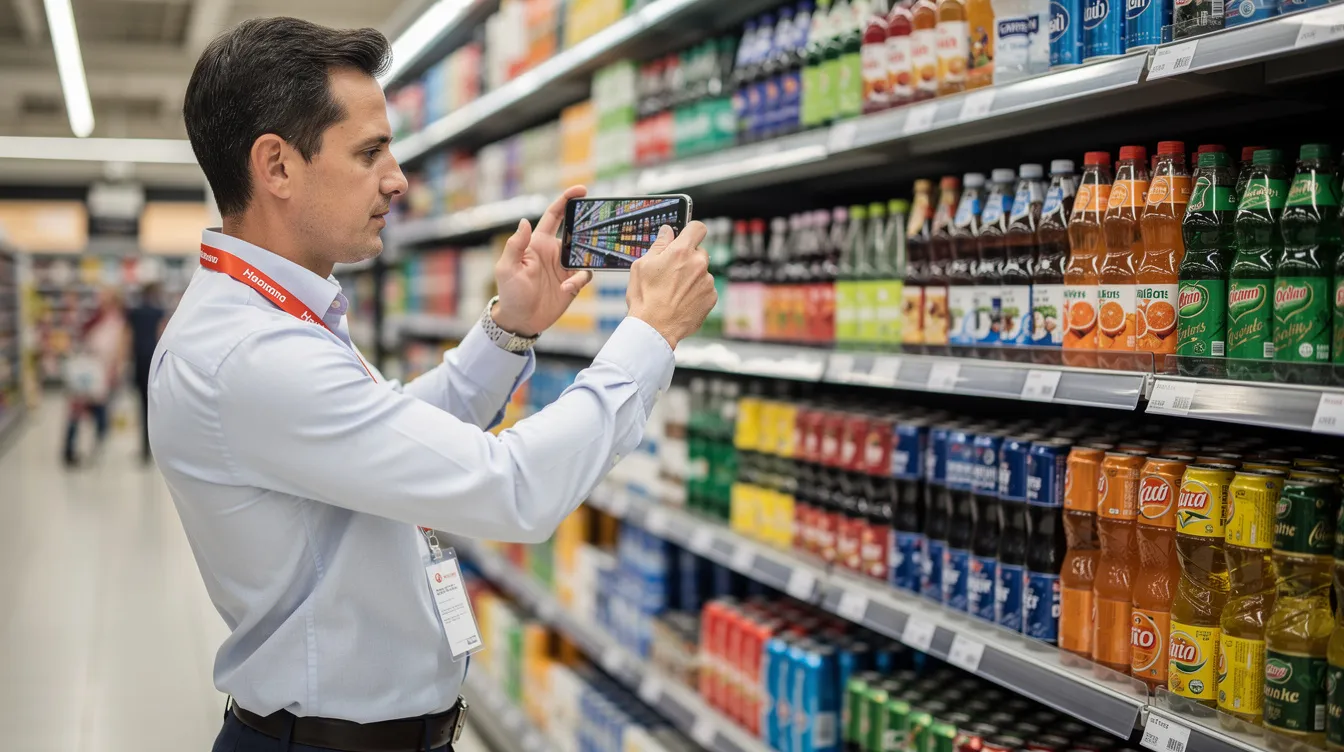
The workflow is simple. A rep opens a mobile app, selects the account, and starts image capture for a cold box, beer cave, wine aisle, spirits shelf, or endcap. The system analyzes the shelf images and compares the results with the effective planogram.
Modern systems use machine learning and object detection to identify:
- SKU-level presence.
- Facing counts.
- Product placement by shelf and sequence.
- Promotional signage.
- Out-of-stock conditions.
- Items placed in incorrect locations.
- Gaps against planogram requirements.
The integration of machine learning models in planogram compliance systems allows for real-time analysis and feedback, improving the accuracy of product detection and classification on retail shelves. Automated planogram compliance systems can quickly identify discrepancies in product placement, out-of-stock items, and incorrect shelf arrangements, allowing for faster corrective actions.
This makes image recognition retail especially valuable in real world retail environments where glare, cooler doors, crowding, and fast replenishment can make manual checks difficult. Automated shelf monitoring can happen daily or during every visit, not just during quarterly resets.
Some retailers and suppliers are also exploring sensors. Adopt Internet of Things (IoT) sensors to automatically monitor, track, and report on shelf conditions. IoT sensors may eventually complement shelf images with temperature, door activity, or inventory signals, especially in high-value cold box programs.
Mobile Field Sales Tools and Sales Execution Software
Modern field sales tools guide beverage alcohol reps through store visits with account lists, tasks, surveys, compliance checks, and photo capture tied to specific planograms. Instead of switching between spreadsheets, email, and a CRM, reps can follow a structured workflow inside one app.
When planogram compliance is built into sales execution software, teams standardize what reps look for and how they report it. A rep can see the planned shelf layout, capture the retail products on display, receive a compliance score, and fix the issue before leaving the store.
This creates several benefits:
- Fewer disconnected tools for audits.
- Faster visual verification.
- Clearer task ownership for store teams and distributor reps.
- Better store level reporting.
- Stronger connection between compliance, depletion, and sales data.
Training still matters. Training staff on planogram compliance can empower them to maintain precise displays and respond quickly to necessary adjustments, ultimately enhancing overall store performance.
Real-Time Data, Dashboards, and Alerts
Real time data from image capture and automated analysis can flow into dashboards for sales, category management, revenue growth, and retail operations teams. These dashboards turn scattered store visits into usable shelf data.
Common views include:
- Compliance scores by retailer banner, region, distributor, and rep.
- Heatmaps showing chronic execution gaps.
- Trend lines before and after a major promotion.
- On shelf availability alerts for priority SKUs.
- Store networks ranked by improved performance or risk.
For example, a dashboard might alert a regional manager when a top-selling IPA falls below an on shelf availability threshold in priority accounts ahead of a holiday weekend. Another alert might show that a premium tequila display is missing signage in 30% of stores.
These insights support faster decisions between suppliers, distributors, and retailers. Instead of debating opinions, teams work from the same visual representation of shelf reality.
Benefits of Improving Planogram Compliance in Beverage Alcohol
Better shelf compliance drives both top-line growth and operational efficiency. It also gives commercial teams a stronger foundation for category planning, retail marketing, and account conversations.
Sales and revenue
Effective planogram compliance increases sell-through for core SKUs and innovation, especially in cold box and display placements. A highly organized and predictable store layout allows shoppers to easily locate products and discover new promotions.
Improving compliance can also boost profitability by reducing stockouts and overstock. Research cited by retail technology providers suggests that improving planogram compliance by 10–20 percentage points can contribute to about 1% overall store revenue lift in grocery and convenience environments, according to Scandit’s planogram and price compliance resources.
Product visibility and brand equity
Consistent brand blocking reinforces brand recognition and brand recall. When a shopper sees a familiar beer, wine, spirits, or RTD brand in the same location across stores, the shopping path feels easier and more reliable.
Better product visibility is especially useful for small-format packs, canned cocktails, NA alcohol, premium spirits, and other growth segments. Beverage alcohol assortment pressure continues to increase as RTDs, premium categories, and new formats expand, a trend highlighted in beverage alcohol retail execution research from FORM.
Operational efficiency and accountability
Automated compliance scoring reduces time spent on manual reporting. It also creates accountability across suppliers, distributors, store managers, and store associates.
Instead of asking whether a program was executed, teams can ask:
- Which stores were compliant?
- Which displays were missing?
- Which SKUs were out of stock?
- Which distributor territories need coaching?
- Which planograms need to be simplified?
That clarity improves customer experience and helps teams focus resources where they matter most.
Best Practices to Improve Planogram Compliance Across Your Network
Achieving planogram compliance involves detailed planning, execution, and continuous monitoring, which includes developing a comprehensive planogram that aligns with sales data and consumer behavior.
Here are the practices beverage alcohol leaders should prioritize.
1. Design data driven planograms
Start planogram planning with POS, depletion, and consumer behavior data. Use velocity, margin, occasion, and channel information to decide which product categories deserve premium shelf space.
Combining compliance data with sales and out-of-stock metrics helps fine-tune future planograms and optimize space allocation. If a fast-moving RTD is constantly out of stock despite strong demand, the next planogram should allocate more space. If a slow-moving SKU keeps taking prime shelf height, the design may be costing the category revenue.
2. Simplify documentation
Create straightforward, easy-to-understand planograms to increase the likelihood of implementation success. Reps and store teams should be able to understand the plan quickly without decoding a dense schematic.
Good documentation includes:
- Clear visuals.
- Channel-specific versions.
- Store-specific notes where needed.
- Current planogram guidelines.
- Simple instructions for promotional displays.
- A single source of truth for approved planograms.
The easier the plan is to execute, the more likely store employees will follow it.
3. Train and align field and store teams
Regular training sessions for store staff are essential to ensure they understand the importance of planogram compliance and can execute the plan effectively. Training should include side-by-side examples of compliant and non-compliant sets, especially for complex beer doors, spirits shelves, and seasonal displays.
Regularly train retail employees on merchandising guidelines to help them adhere to the plan. Store associates and distributor reps should know why facings, shelf height, pricing, and signage matter. This is not just a visual merchandising issue; it affects sales performance and customer experience.
A national association meeting, distributor business review, or chain planning session can also be a useful setting to align expectations across suppliers and retail operations teams.
4. Move from periodic checks to continuous monitoring
Continuous monitoring is essential for treating compliance as an ongoing process rather than a one-time setup. Annual resets and quarterly audits are not enough for fast-moving beverage alcohol categories.
Use planogram compliance monitoring to catch issues early. For example, if a store replaces a missing craft SKU with another brand, the system should flag the gap before the set drifts for weeks.
5. Close the loop from detection to action
Effective planogram compliance requires a closed-loop process:
-
- Detect the issue through an audit, photo, or automated shelf monitoring.
- Assign a corrective task.
- Fix the shelf or display.
- Verify completion with follow-up image capture.
- Measure improvements against key metrics.
This process turns compliance into a repeatable operating rhythm instead of a one-time project.
6. Pilot before scaling
Start with one high-priority retailer, region, or product category. A practical pilot might focus on beer doors and top spirits displays in 50–100 stores during Q2 2025.
The goal is not to automate everything immediately. The goal is to prove that better compliance checks lead to better shelf availability, stronger sales performance, and improved performance in priority accounts. Once the workflow is stable, expand to more banners, distributor partners, and product categories.
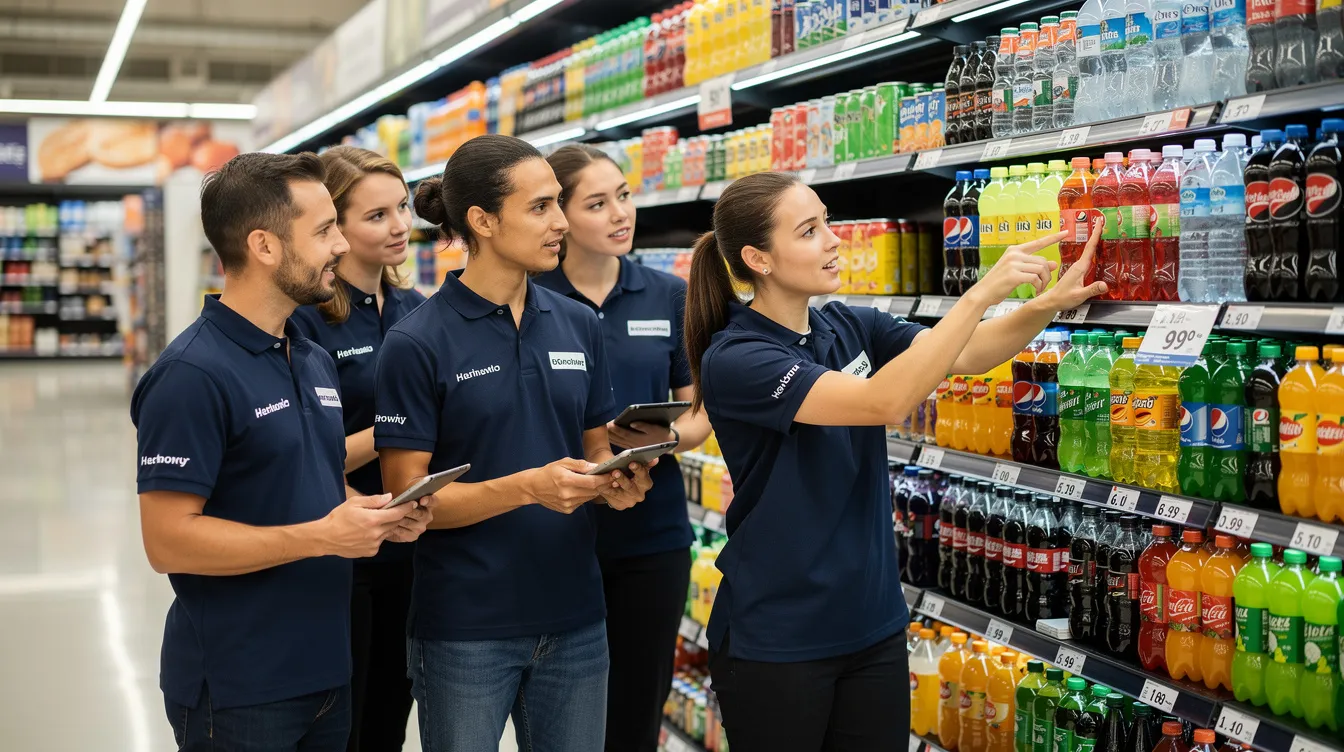
Andavi Solutions Planogram Compliance: A Modern Approach for Beverage Alcohol
Andavi Solutions Planogram Compliance is an example of how modern platforms can support suppliers and distributors in the beverage alcohol industry without adding unnecessary complexity to field work.
A platform like Andavi can bring together:
- Mobile field sales tools for guided store visits and structured image capture.
- Computer vision and deep learning to monitor planogram compliance automatically from shelf photos.
- Real time data and dashboards connected to trade promotion, depletion, and retail execution metrics.
- Compliance scoring across locations, banners, regions, and distributor teams.
- Actionable insights that help teams prioritize fixes before key selling windows.
The value is not just automation. It is alignment. Suppliers, distributors, and retailers can use the same evidence to discuss shelf compliance, on shelf availability, display quality, and program execution.
For beverage alcohol companies that already invest heavily in trade programs, cooler placements, and display commitments, this kind of platform can help connect the plan to the shelf and the shelf to sales outcomes.
FAQ: Planogram Compliance in Beverage Alcohol
How long does it typically take to roll out a planogram compliance program with image recognition?
A practical rollout usually starts with an 8–12 week pilot in a limited set of chains, regions, or store locations. During that phase, teams configure planograms, train field users, set image capture standards, and validate the first wave of reports.
A broader rollout across hundreds or thousands of stores may take 6–12 months depending on distributor structure, number of SKUs, and integration needs.
Do I need special hardware or cameras to capture shelf images?
Most beverage alcohol suppliers and distributors can start with smartphones or tablets already used by field reps. Basic deployments usually do not require dedicated cameras.
Some retailers may later add fixed cameras, robots, or IoT sensors for continuous monitoring, but mobile image capture is often the simplest first step.
How accurate is computer vision for beverage alcohol SKUs with similar packaging?
Deep learning models trained on beverage-specific datasets can distinguish similar packages, flavors, ABV variants, and seasonal limited editions when the images are clear and current.
Accuracy improves over time as more shelf images are processed and packaging updates are added to the model. Clear photo standards are still important, especially around cooler glare and crowded shelves.
How does planogram compliance data integrate with current sales and trade systems?
Most modern platforms can feed compliance data into BI tools, CRM systems, trade promotion platforms, or sales execution software through APIs or scheduled exports.
Connecting compliance scores with depletion, POS, and out-of-stock data helps teams understand whether a promotion failed because of demand, price, or poor shelf execution.
What is a realistic first step if our organization still relies on manual audits?
Start with one priority retailer or region and a small number of high-value planograms, such as beer doors, RTD cold box sets, or premium spirits displays.
Define success before the pilot begins. Useful goals include improved shelf compliance scores, fewer out-of-stocks, faster issue resolution, and measurable sales lift over a specific selling period.
Planogram compliance is not a back-office metric. It is one of the clearest ways to connect strategy, execution, and revenue in beverage alcohol. If your team is ready to move beyond manual checks, explore how a platform like Andavi can fit into your existing retail execution, trade promotion, and field sales workflows.
